
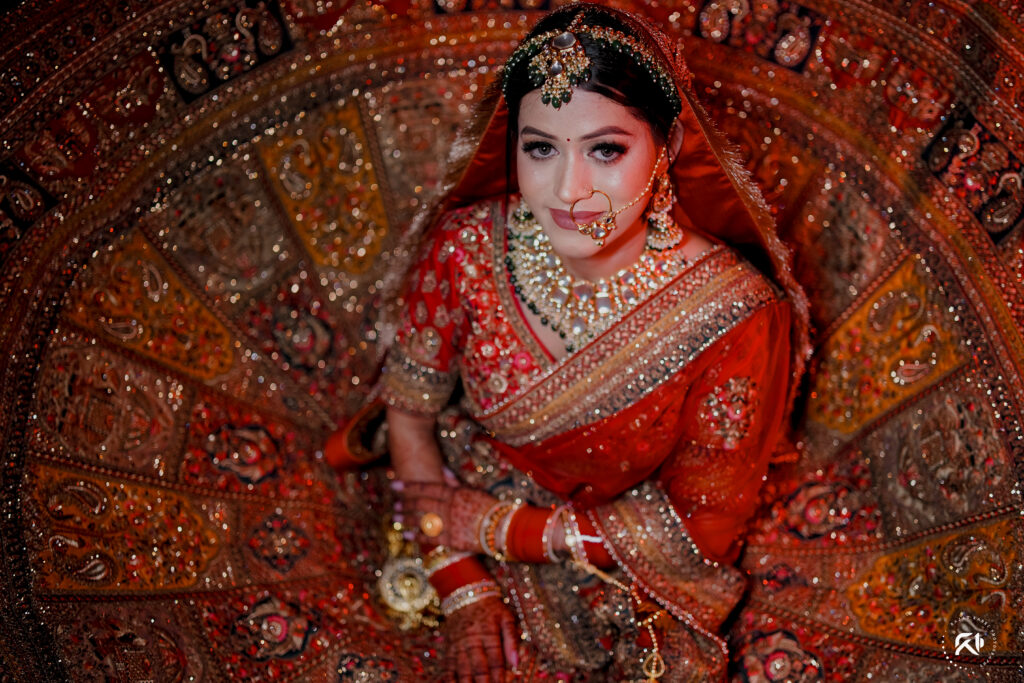
Uttarakhand doesn’t just host weddings. It frames them. Snow-capped peaks, deodar forests, sacred riverbanks, temple courtyards, and mountain villages can turn wedding photography into something far more cinematic and personal than a standard venue shoot.
This guide is for couples who want to understand what goes into exceptional wedding photography in Uttarakhand — from choosing the right location to planning for light, weather, rituals, and the photographer’s experience. In mountain weddings, especially, local knowledge, timing, and preparation matter as much as creative skill.
Why Uttarakhand Stands Out
Most destinations give you a venue; Uttarakhand gives you a landscape. The state offers dramatic variety across the Himalayas, Garhwal, Kumaon, pilgrimage towns, forest zones, and lake regions, which means each wedding setting has a very different visual mood.
That diversity is powerful only when the photographer knows how to work with it. Mountain shoots depend on understanding local light, changing weather, route access, and the visual value of regional rituals and surroundings.
Best Wedding Locations
Auli: Snow and alpine drama
Auli is ideal for couples who want grand Himalayan views, snow-season portraits, or wide cinematic frames. It works especially well for pre-wedding sessions and destination weddings that aim for a premium mountain look.
Best time: November to February for snow, and late spring to early summer for greener landscapes. Early-day shoots usually help with softer light and cleaner frames.
Trijuginarayan: Sacred and timeless
Trijuginarayan suits couples who want a spiritual and tradition-rich visual setting. Temple architecture, ritual depth, and the mythological association of Shiva and Parvati give the location a strong storytelling identity.
Best time: April to June and September to November, when access and weather are typically more manageable for outdoor coverage.
Rishikesh: River light and intimacy
Rishikesh is excellent for intimate weddings and pre-wedding shoots because it combines natural beauty with spiritual atmosphere. Riverbanks, bridges, ghats, and soft morning or golden-hour light create strong visual variety in a small area.
Best time: October to March, especially for comfortable weather and cleaner outdoor shooting conditions. Dawn and late afternoon are usually the strongest photo windows.
Corbett and the Terai: Wild and editorial
Corbett and the Terai region offer a different kind of luxury: textured forests, warm evening light, and a more earthy, editorial mood. This is especially effective for couples who want something less predictable than a hill station backdrop.
Best time: November to April, after the monsoon and before peak summer conditions become too harsh.
Nainital and Kumaon: Romantic and cultural
Nainital, Mukteshwar, Binsar, and Kausani are strong choices for couples who want romance with a quieter mountain aesthetic. The Kumaon region also adds cultural richness through local rituals, dress, and music that can make the final gallery feel more documentary and rooted.
Best time: March to June and September to November. These windows usually offer better clarity, travel comfort, and more dependable outdoor conditions.
Chopta and Tungnath: Offbeat and adventurous
Chopta is a strong option for adventurous couples who want open meadows, trekking energy, and panoramic mountain frames. It is particularly suited to pre-wedding shoots with a more natural, less commercial feel.
Best time: May to June and September to October. A backup plan is still important because mountain access and weather can shift quickly.[overhere +1]
What Makes Great Photography Here
Great wedding photography in Uttarakhand is not just about camera skill; it is about reading mountain conditions. Light changes quickly in elevated terrain, weather can shift within minutes, and location scouting matters much more than in a city venue.
The best photographers also document culture, not just portraits. Indian wedding coverage becomes stronger when the photographer understands rituals, family moments, music, and regional details instead of treating them as background.
Mountain weddings also create technical demands. Uneven terrain, limited setup space, battery performance, travel timing, and early starts all reward photographers who have already worked in these conditions before.
What the process looks like
1. Discovery call
The first conversation should clarify your vision, wedding flow, location, and the emotional style you want in the photographs. A useful photographer-client discussion also covers logistics, weather expectations, access, and comfort level in front of the camera.
2. Pre-wedding shoot
A pre-wedding session helps couples get comfortable and gives the photographer a chance to work intentionally with timing and location. In mountain regions, this matters because scouting, road conditions, permits, and light windows can all affect the final result.
3. Wedding-day coverage
Full coverage often starts early, especially if the venue is in the hills and natural-light portraits are important. Indian wedding timelines benefit from planning key rituals, portraits, family shots, and transitions in advance so nothing important gets rushed.
4. Editing and delivery
Before booking, clarify editing style, delivery timeline, album options, and whether engagement or pre-wedding coverage is included. Transparent package details help avoid confusion later.